Casting concrete planters and homeware: a starter guide
Concrete is heavy and unforgiving, so the mould has to do the hard work. Here is what makes a good concrete mould for planters, trays and decor.

Concrete and plaster are rewarding to cast but hard on moulds. The mix is abrasive, heavy, and unforgiving of weak mould design. Getting a clean, smooth result starts with the right mould.
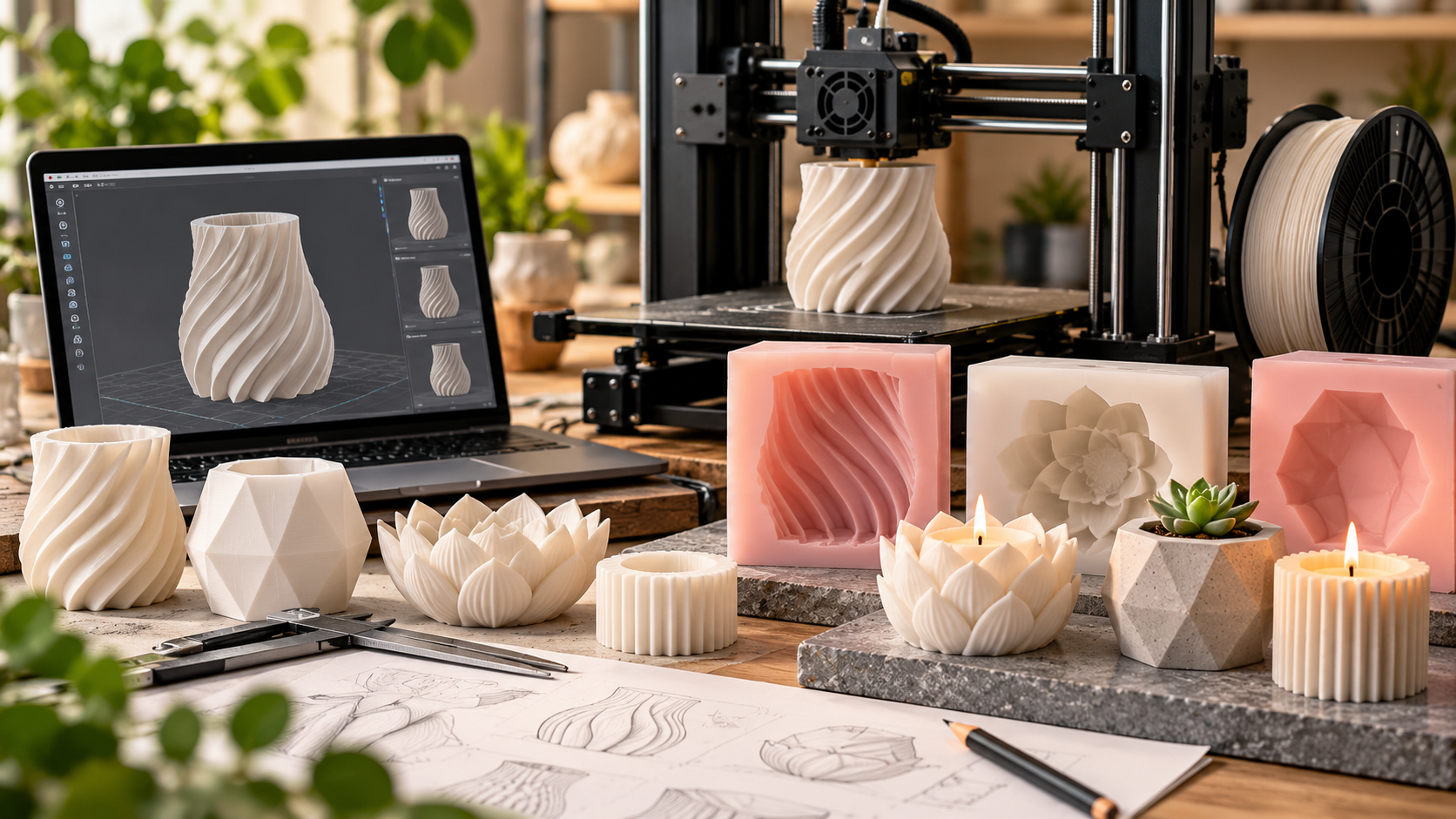
The biggest challenge is undercuts and depth. A tapered planter or a faceted vessel cannot come out of a single rigid mould — it gets trapped. This is why we build concrete moulds as two-part silicone: the mould splits to release shapes that would otherwise be stuck.
Surface finish is the next thing. The silicone takes the abrasion so your casting comes out smooth, with crisp edges and no trapped air on the visible faces. A good mould hides the seam where it will not distract.
Durability is real too. Abrasive mixes shorten any mould life, so we advise on release agents and handling to get the most pulls out of each one.
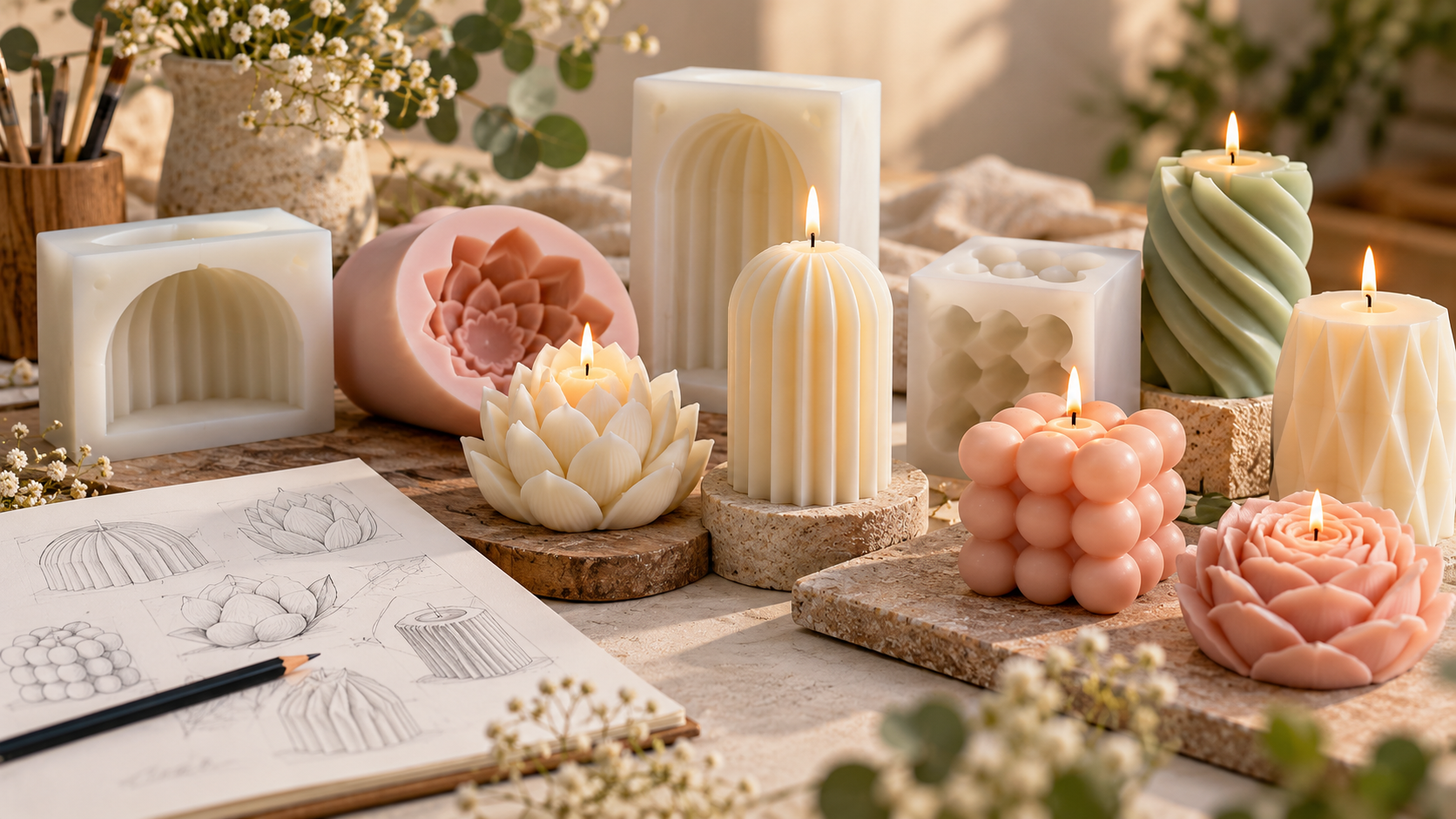
Planters, trays, coasters, vases, candle vessels — if it is concrete homeware, the approach is the same: two-part where needed, smooth faces, sharp edges. Tell us the finished dimensions and we will confirm what is feasible.